
Building a diet rich in plant protein doesn’t mean sacrificing flavor or nutrition. Whether you’re vegetarian, vegan, or simply trying to eat less meat, knowing which vegetables pack the most protein can help you plan balanced, satisfying meals. Below is a breakdown of the best vegetables for protein, along with tips on how to include them in your everyday cooking.
Why Vegetable Protein Matters
Protein is essential for muscle repair, immune function, and overall cellular health. While animal products are often seen as the go to protein source, many vegetables and legumes offer impressive amounts of protein along with fiber, vitamins, and antioxidants that meat simply doesn’t provide. Choosing more plant based protein can also support heart health and reduce your environmental footprint.
RELATED: 5 Quick Pickling Recipes for Vegetables
01
of 12
Edamame
Edamame, or young soybeans, are one of the most protein dense vegetables available. They’re a complete protein, meaning they contain all nine essential amino acids, and their slightly nutty flavor makes them an easy addition to almost any meal.
- Protein: 18 grams per cooked cup
- Best in: a sesame ginger stir fry or steamed as a salted snack
02
of 12
Lentils
Technically a legume, lentils are often grouped with vegetables in everyday cooking. They cook down into a soft, hearty texture that soaks up spices well, and they bring a solid dose of fiber and iron along with their protein.
- Protein: 18 grams per cooked cup
- Best in: a warming lentil soup or a Mediterranean grain bowl
03
of 12
Chickpeas
Chickpeas are incredibly versatile, holding their shape when roasted and blending smooth when pureed. Their mild, slightly nutty taste makes them a natural fit for both savory dishes and snacks.
- Protein: 15 grams per cooked cup
- Best in: homemade hummus or a curry simmered with coconut milk
04
of 12
Black Beans
Black beans are rich in fiber and antioxidants, with a creamy texture that holds up well in both slow cooked and quick weeknight meals. Their earthy flavor pairs naturally with bold spices.
- Protein: 15 grams per cooked cup
- Best in: black bean tacos or a Tex-Mex stuffed pepper
RELATED: Filling Soups: The Humble Art of Stretching a Pot
05
of 12
Green Peas
Often overlooked, green peas bring a natural sweetness to savory dishes and blend easily into sauces or purees. They’re one of the easiest ways to boost protein without changing the flavor of a dish.
- Protein: 8 grams per cup
- Best in: a creamy pea risotto or tossed into a spring pasta
06
of 12
Brussels Sprouts
Brussels sprouts pack an unusually high amount of protein for a leafy green vegetable. Roasting brings out a caramelized, slightly nutty flavor that balances their natural bitterness.
- Protein: 4 grams per cup
- Best in: roasted with olive oil and garlic, finished with balsamic glaze
RELATED: 7 Butter Herb Combos That Will Transform Your Cast Iron Steak
07
of 12
Broccoli
Broccoli holds its texture well in high heat cooking and carries a mild, slightly bitter flavor that pairs well with garlic, lemon, and chili flakes.
- Protein: 4 grams per cup
- Best in: a garlic sesame stir fry or roasted alongside grains
08
of 12
Spinach
Spinach has a mild, earthy flavor that wilts down easily, making it simple to fold into hot dishes without overpowering other ingredients.
- Protein: 5 grams per cooked cup
- Best in: a spinach and mushroom omelet or blended into a green smoothie
09
of 12
Asparagus
Asparagus has a delicate, slightly grassy flavor that intensifies when roasted or grilled, and it pairs especially well with citrus and light sauces.
- Protein: 3 grams per cup
- Best in: grilled asparagus with lemon or wrapped in a spring pasta dish
10
of 12
Mushrooms
While technically a fungus, mushrooms are commonly cooked as vegetables and offer a meaty, savory texture that makes them a satisfying stand in for meat in many recipes.
- Protein: 3 to 4 grams per cup
- Best in: a portobello burger or a hearty mushroom risotto
RELATED: How I Cut My Grocery Bill in Half Without Eating Worse
11
of 12
Corn
Sweet corn brings natural sweetness and a satisfying crunch, making it a favorite in both cold salads and warm side dishes.
- Protein: 5 grams per cup
- Best in: a black bean and corn salsa or grilled on the cob
12
of 12
Artichokes
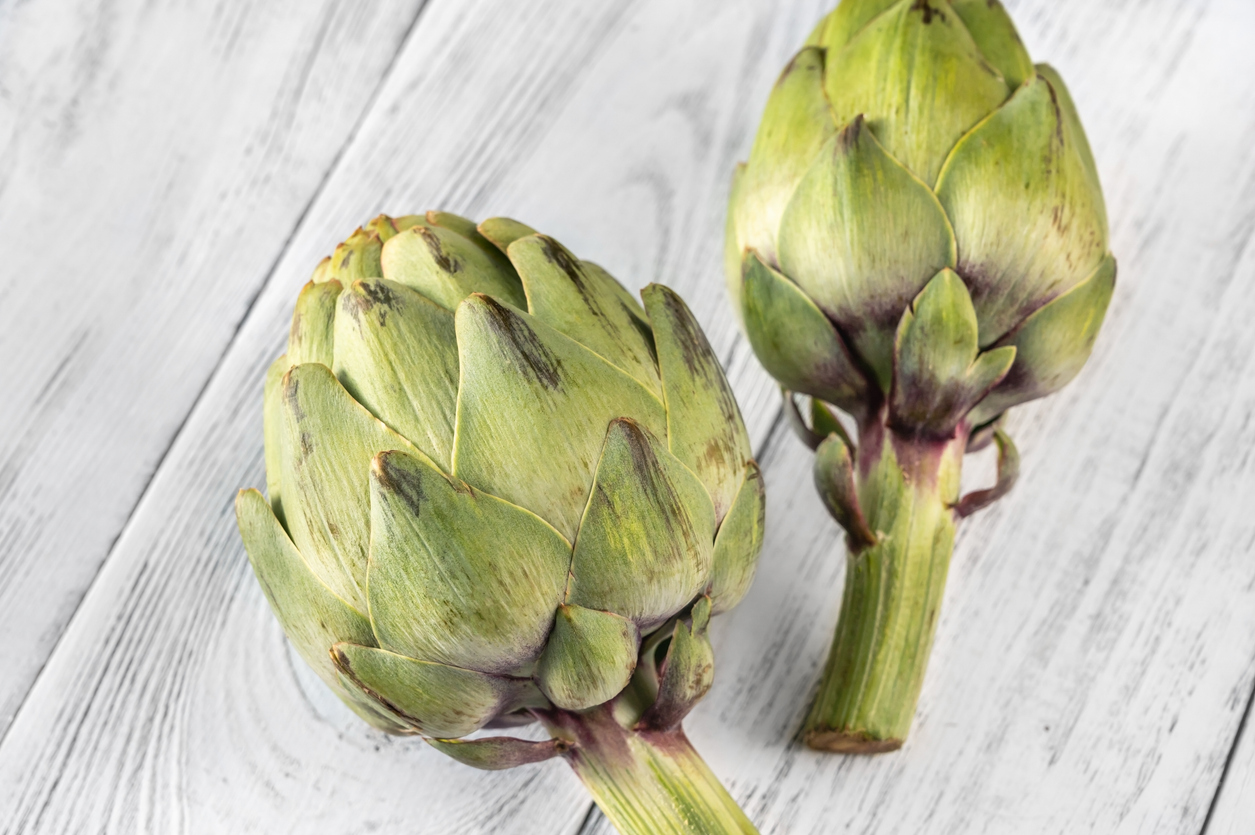
Artichokes have a mild, slightly tangy flavor and a tender texture once steamed, especially in the heart, making them a satisfying appetizer or main dish addition.
- Protein: 4 grams per medium artichoke
- Best in: steamed with a garlic aioli or stuffed with breadcrumbs and herbs


