
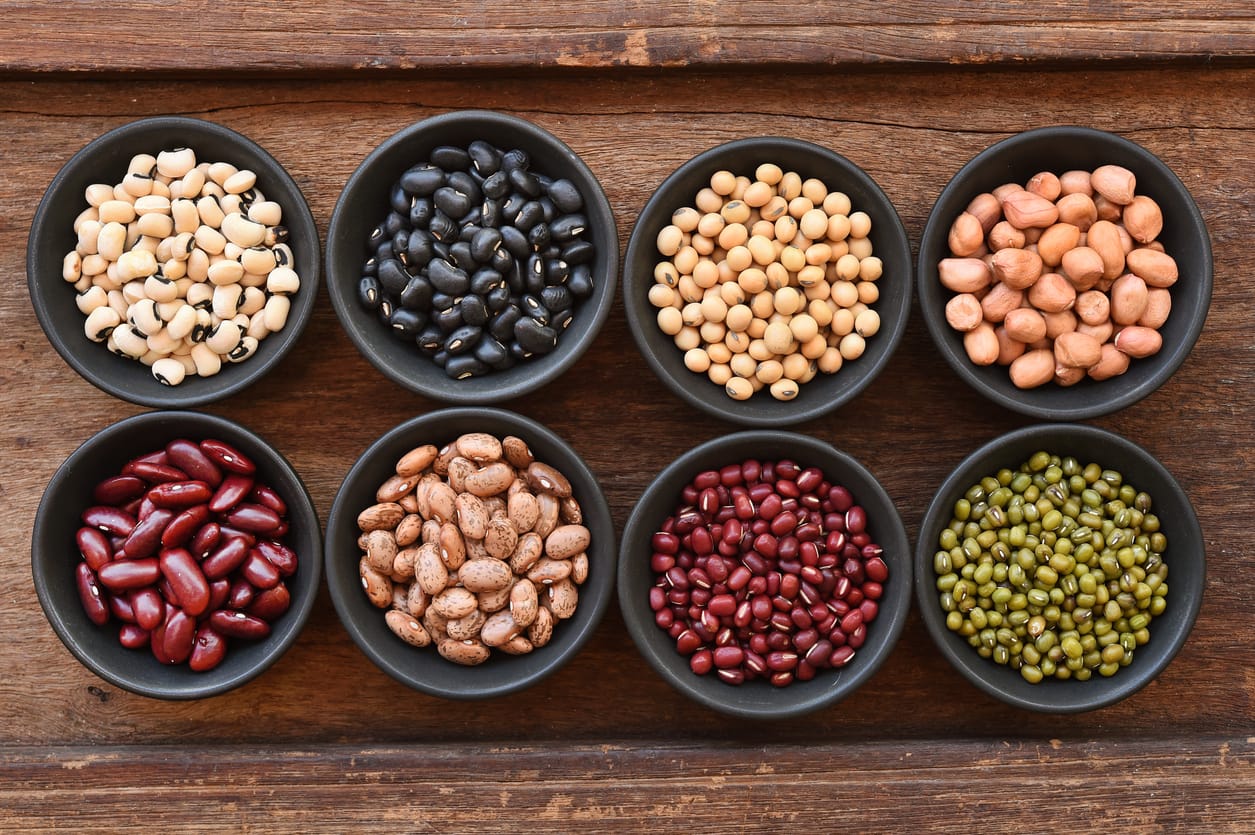
If you are running a frugal kitchen, few ingredients will serve you better than a well-stocked bean pantry. Beans are cheap, shelf-stable, packed with protein and fiber, and endlessly versatile. A single pound of dried beans can feed a family multiple times over for just a dollar or two. Whether you are cooking from scratch to save money, eating plant-based on a budget, or simply trying to waste less food, beans are one of the smartest investments you can make in your pantry.
KEY POINTS
- Dried beans are one of the most cost-effective pantry staples available, often feeding a family multiple times for under two dollars a pound.
- Stocking a variety of beans expands your cooking range dramatically, covering cuisines from Southern American to Italian to Mexican with the same shelf-stable ingredients.
- Batch-cooking beans on the weekend and freezing them in two-cup portions puts nutritious, budget-friendly meals within easy reach on any weeknight.
RELATED: How to Read the Unit Price in the Grocery Store (to Save You Money)
Black Beans
Black beans are arguably the workhorse of the frugal kitchen. They are inexpensive in both dried and canned form, widely available, and work across an enormous range of dishes. Their earthy, slightly sweet flavor holds up well to bold spices, making them ideal for tacos, burrito bowls, soups, and rice dishes. They also mash easily into dips and veggie burgers.
A one-pound bag of dried black beans typically costs under two dollars and yields around six cups of cooked beans. That is a lot of meals for very little money. Buy dried for the best value, and cook a big batch at the start of the week to use throughout.
Try this: Frijoles Negro (Authentic Cuban Black Beans)
Pinto Beans
Pintos are the classic refried bean, and for good reason. They cook up creamy and mild, absorbing the flavor of whatever you cook them with. They are the backbone of Mexican and Tex-Mex cuisine, but they also shine in stews, soups, and slow cooker chili.
Like black beans, dried pinto beans are incredibly affordable. If you are new to cooking with dried beans, pintos are a forgiving starting point. They are widely available and difficult to mess up.
Try this: Frijoles (Mexican Style Pinto Beans)
Chickpeas (Garbanzo Beans)
Chickpeas deserve a permanent spot in every frugal kitchen. They are one of the most culinarily flexible legumes on the planet. Roast them for a crunchy snack, blend them into hummus, toss them into curries, fold them into salads, or simmer them in a tomato-based stew. Chickpea flour can even be used to make flatbreads and pancakes.
Dried chickpeas do take longer to cook than some other beans, so soaking them overnight is recommended. But a pound of dried chickpeas is still one of the best dollar-per-meal values you will find anywhere in the grocery store.
Try this: Chickpea Curry – Budget Bytes
Navy Beans

Navy beans are small, white, and creamy. They are the classic choice for baked beans, classic Senate bean soup, and Boston-style dishes. They break down easily when cooked for a long time, making them ideal for thick, starchy soups and stews where you want a naturally creamy texture without any dairy.
Because they are mild and unassuming, navy beans can absorb almost any flavor profile. They work in Italian minestrone just as well as they do in a Southern-style ham and bean soup. For the frugal cook, this kind of flexibility across cuisines is invaluable.
Try this: Vegetarian Navy Bean Soup Recipe
Small Red Beans
Small red beans are often confused with kidney beans, but they are a distinct variety and, in many ways, a better all-around choice for the frugal kitchen. They are smaller and rounder than kidneys, with a thinner skin, a slightly sweeter flavor, and a creamier texture that holds up well without becoming mealy.
They are the traditional bean in Louisiana-style red beans and rice, where they simmer low and slow with the holy trinity of onion, celery, and bell pepper alongside andouille sausage until the beans break down into a thick, velvety sauce. That dish alone is reason enough to keep a bag in the pantry at all times. But small red beans also work well in chili, Caribbean rice dishes, soups, and simple seasoned bean bowls. They absorb bold spices and smoky flavors readily, making them a natural partner for cumin, paprika, thyme, and pork-based seasonings.
Dried small red beans are widely available and typically cost under two dollars per pound. They are also commonly sold canned, which makes them one of the more convenient beans to keep on hand for quick weeknight meals.
Try this: Vegan Instant Pot Red Beans and Rice
Black-Eyed Peas
Black-eyed peas are a Southern staple and a genuinely underrated bean. They cook faster than many other dried legumes, have a mild and slightly earthy flavor, and pair particularly well with greens, pork, and rice. Hoppin’ John, the classic dish of black-eyed peas and rice, is a perfect example of frugal cooking done right.
Beyond traditional uses, black-eyed peas work well in salads, grain bowls, and curries. They are also a good source of potassium and folate, adding nutritional value alongside their low cost.
Try this: Southern Blacked Eye Peas Recipe
Lima Beans
Lima beans, also called butter beans, are one of the most underappreciated legumes in the frugal kitchen. Their reputation suffers unfairly from memories of mushy, flavorless frozen versions served as a reluctant side dish. Cooked properly from dried, they are a completely different experience: creamy, rich, with a mild buttery flavor that pairs beautifully with smoky meats, herbs, and simple aromatics.
TIP
Dried lima beans come in two main sizes. Baby limas are smaller, cook faster, and have a slightly more delicate flavor. Large limas, sometimes sold as butter beans in the American South, are meatier and produce a thicker, silkier pot liquor when slow-cooked. Both are excellent, and both are cheap, typically among the least expensive dried beans on the shelf.
They are particularly well suited to low-and-slow cooking. A pot of dried limas simmered for a couple of hours with a smoked ham hock, onion, and garlic produces a broth that is almost impossibly rich and savory for what amounts to a very small grocery investment. They also work well in succotash, in thick vegetable soups, and mashed into a simple spread with olive oil and lemon. If you have been avoiding lima beans, dried limas cooked from scratch with decent seasoning are worth a second look.
Try this: Southern Lima Beans (Butter Beans)
Great Northern Beans
Great Northern beans are similar to navy beans but larger, with a slightly firmer texture that holds up better in soups and stews. They are mild in flavor and creamy in texture, making them a natural fit for Tuscan white bean soups, pasta e fagioli, and slow-cooked casseroles.
One of the best uses for Great Northern beans is a simple white bean dip, a blend of beans, garlic, lemon, and olive oil that comes together in minutes and tastes like something from a restaurant. They are also excellent blended into pasta sauces to add protein and creaminess without cream.
Try this: Great Northern Beans with Tomatoes
Cannellini Beans
Cannellini beans are the large, white, creamy Italian variety used in classic Tuscan cooking. They are buttery and tender with a mild flavor that pairs beautifully with olive oil, garlic, rosemary, and tomatoes. Tossed with pasta, stirred into soups, or simply drizzled with good olive oil and eaten on toast, cannellini beans are one of the most elegant frugal ingredients available.
They are commonly sold in cans at most grocery stores and are easy to find dried as well. A simple dish of cannellini beans with sauteed garlic, wilted greens, and a splash of broth requires almost no skill and very little money, yet it tastes like real cooking.
Try this: Slow Cooker Cannellini Bean Soup with Fresh Rosemary

RELATED: Can I Freeze Rice? Yes! Here Is How
Mayocoba Beans
Mayocoba beans, also known as Peruvian beans, canary beans, or frijoles peruanos, are a pale yellow, thin-skinned legume that deserves far more attention than it gets outside of Mexican and Latin American kitchens. If you have never cooked with them, they are worth seeking out at any Latin grocery or in the dry bean aisle of most large supermarkets.
What makes mayocoba beans special in a frugal kitchen is their texture and speed. They have a thin skin that breaks down relatively quickly, and they cook up to an exceptionally creamy, buttery consistency that is richer-tasting than most other white beans. Their flavor is mild and slightly earthy, which means they absorb aromatics and spices with ease. A pot of mayocoba beans cooked simply with onion, garlic, and a bay leaf produces a broth that is silky and deeply satisfying on its own.
They are a natural substitute for pinto beans in any recipe, including refried beans, where they produce an even creamier result. They also work wonderfully in soups, slow-cooked stews with sausage or ham, and simple bean-and-rice dishes. Because their skin is thinner than pintos or black beans, they do not require as long a soaking time and cook faster than many dried bean varieties.
Try this: Peruvian Beans


