
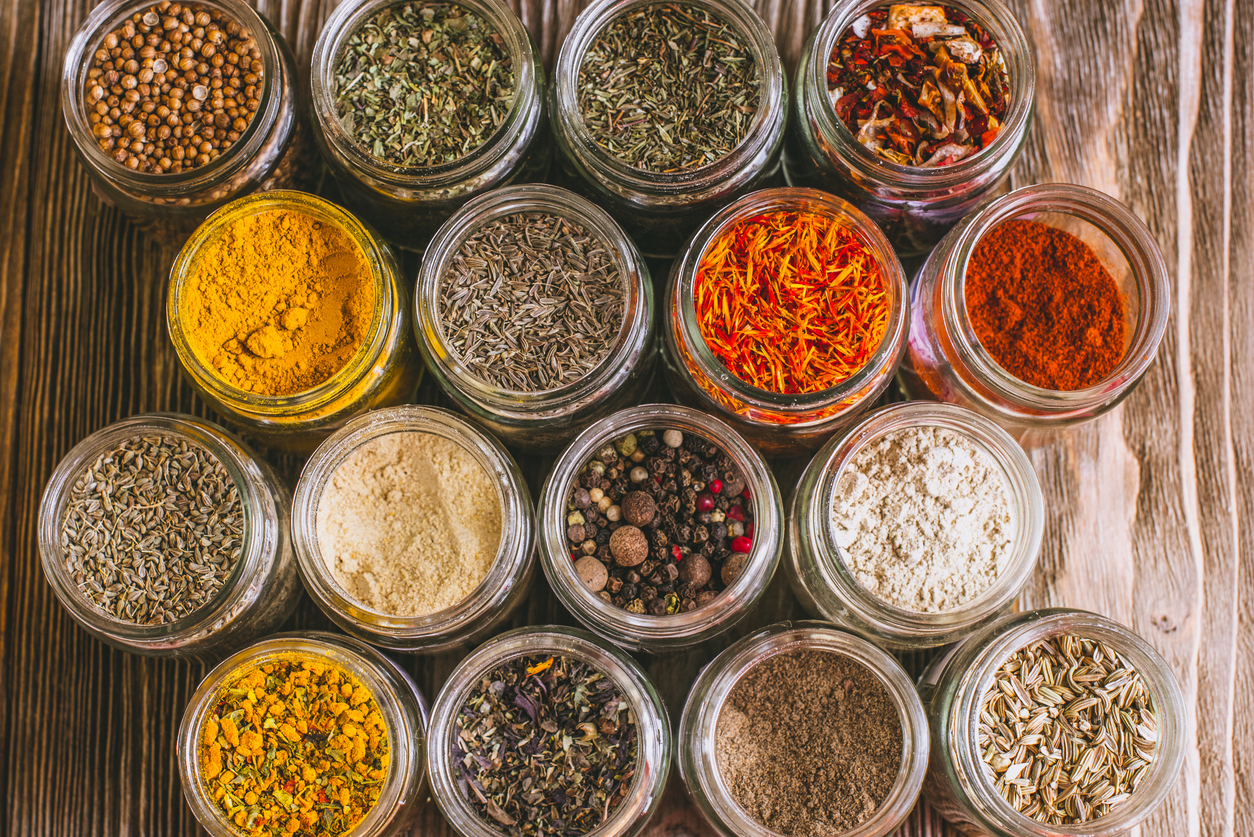
Building a frugal kitchen is not about eating less or eating badly. It is about spending less while eating better, and no tool in the frugal kitchen does that more efficiently than a well-chosen spice rack. A fifty-cent pinch of something aromatic can rescue a pot of lentils, transform plain roasted carrots into a dish worth talking about, and make a cheap cut of meat taste like a slow-cooked Sunday meal.
The secret every budget cook eventually discovers is that the path to a frugal kitchen runs straight through the spice aisle. Not the whole aisle, and not the expensive end of it. A focused, well-chosen collection of eight to twelve spices will cover the vast majority of cooking you will ever do, at a fraction of what most households spend on food each week.
KEY TIPS
- Shop for spices at international or bulk grocery stores rather than supermarkets, where the same spice can cost five times more for the same amount.
- Replace ground spices every twelve months so your frugal kitchen meals are always getting full flavor, not dusty, faded powder that makes you use twice as much.
- Start with cumin, smoked paprika, and garlic powder as your first three purchases, since these three spices alone can build the base of dozens of different budget meals.
Why Spices Are the Smartest Investment in a Frugal Kitchen
When people think about frugal kitchen strategies, they often focus on protein: buying cheaper cuts, going meatless a few nights a week, stretching ground beef with lentils. All of that is worth doing. But without the right spices, budget ingredients taste like budget ingredients. Spices are what close the gap between a meal that feels like a compromise and one that genuinely satisfies.
Cost per use is the right way to think about spices in a frugal kitchen. A two-dollar bag of ground cumin from an international market might contain forty or fifty servings. That works out to four cents a dish. Almost nothing in cooking delivers more flavor per dollar than a well-stocked spice drawer used consistently.

How to Buy Spices on a Budget
The single biggest mistake frugal kitchen shoppers make is buying spices at the regular grocery store in branded glass jars. The markup on those products is substantial, and you are paying for packaging as much as product.
Better options for the frugal kitchen include bulk bins at grocery co-ops, international and ethnic grocery stores, and online spice retailers that sell by the ounce. A spice that costs four dollars in a supermarket jar might cost sixty cents by weight at a bulk bin or Indian grocery. The quality is often better too, because stock turns over faster and the spices are fresher.
Ground spices lose their potency after about a year. Buying smaller quantities more often keeps your frugal kitchen stocked with spices that actually taste like something, which means you use less per dish and your money goes further.
Whole spices last considerably longer than ground ones and can be toasted and ground as needed. A small mortar and pestle costs very little and serves a frugal kitchen for decades. Use it for cumin, coriander, and peppercorns at minimum.
The Anchors of a Frugal Spice Rack
Some spices earn their keep in a frugal kitchen because they appear across so many different culinary traditions. These are the workhorses that justify a spot in every budget pantry.
Cumin is arguably the most useful spice a frugal kitchen can stock. It appears in Mexican, Indian, Middle Eastern, and North African cooking. Ground cumin goes into taco seasoning, lentil soup, hummus, and roasted vegetables. Whole cumin seeds, briefly toasted in a dry pan, add a nutty depth to rice and dal. It is inexpensive, widely available, and versatile in a way that few other spices match.
Smoked paprika is a frugal kitchen superstar. Made from peppers dried over oak smoke before being ground, it brings a rich, campfire quality to whatever it touches without any heat. Stir it into beans, rub it on chicken thighs before roasting, add a teaspoon to tomato soup, or dust it over eggs. In a frugal kitchen, smoked paprika does something remarkable: it mimics the effect of adding chorizo or bacon to a dish, which makes it invaluable when cooking vegetarian meals on a budget. A little smoked paprika in a chickpea stew can make the whole thing taste like it simmered for hours over a wood fire, even if it came together in thirty minutes on a weeknight.
Coriander is the seed of the cilantro plant, and the two taste nothing alike. Ground coriander is warm, faintly citrusy, and gently floral. It pairs naturally with cumin and forms a foundational pairing in frugal kitchen staples like lentil dal, vegetable curries, and spiced bean dishes.
Italian seasoning is one of the great workhorses of a frugal kitchen because it is a blend doing the work of five or six individual herbs at once, typically combining dried oregano, basil, thyme, rosemary, and marjoram in a single jar. That makes it extraordinarily cost-efficient. It goes into pasta sauce, pizza dough, roasted vegetables, focaccia, soups, and marinades for chicken or pork. A teaspoon stirred into a can of crushed tomatoes with a little garlic and olive oil is a pasta sauce that costs almost nothing and tastes like it came from somewhere better than your stove.
Chili flakes function as both a cooking spice and a table condiment in a frugal kitchen. A pinch goes into pasta, stir-fries, roasted broccoli, and virtually anything that needs heat and complexity. They last a long time and are among the cheapest spices available anywhere.
Garlic powder distributes evenly in dry rubs and holds up under high heat in ways that fresh garlic does not. A frugal kitchen benefits from keeping both.

Spices Worth the Extra Spend
A few spices cost a bit more but justify their place in a frugal kitchen because they deliver flavors nothing else can replicate.
Cardamom is not cheap by weight, but a little goes an exceptionally long way, which makes it a genuinely frugal kitchen investment. This is one of the most complex spices in the world, with floral, minty, and citrus notes that sit in a category entirely their own. Cardamom is central to chai, Scandinavian baked goods, Arabic coffee, and Indian rice dishes like biryani. A half teaspoon in a pot of oatmeal transforms a plain frugal kitchen breakfast into something warming and fragrant. A few pods simmered with black tea and milk make a simple masala chai that costs almost nothing to prepare at home. Cardamom also pairs beautifully with citrus, chocolate, and stone fruits, making it easy to work into baking without a formal recipe. Once it becomes a regular part of a frugal kitchen, it is hard to imagine cooking without it.
Cinnamon bridges sweet and savory with ease, which earns it a place on any frugal kitchen spice rack. Beyond baking, it works in chili, spiced lentils, and roasted vegetables.


