
KEY POINTS
- Plant proteins come packaged with fiber, vitamins, and minerals that support digestion, immunity, and long-term health in ways a protein shake simply cannot.
- Legumes like lentils, chickpeas, and black beans are among the most affordable foods at any grocery store, making high-protein eating genuinely accessible on a budget.
- Pairing plant proteins with a variety of whole foods throughout the day helps you meet your amino acid needs without having to track every gram.
Vegetables don’t usually get invited to the protein conversation. That seat tends to go to chicken, eggs, and Greek yogurt. But some vegetables quietly punch well above their weight, delivering meaningful amounts of protein alongside fiber, vitamins, minerals, and phytonutrients that animal foods simply can’t offer.
Whether you’re eating mostly plant-based, trying to stretch your grocery budget, or just want more variety in how you hit your daily protein targets, these 10 vegetables deserve a permanent spot on your plate. Most of them cost very little and last a long time, frozen or dried.
01
of 10
Edamame
Protein: ~11g per 3.5oz cooked | Cost: budget-friendly
Edamame earns the top spot for a reason: it’s one of the only vegetables that delivers complete protein, meaning it contains all nine essential amino acids. That’s a distinction it shares with meat, eggs, and dairy, not with most plants. These young green soybeans are also rich in isoflavones, iron, folate, and vitamin K.
How to eat it: Toss frozen edamame into a grain bowl, blend into a bright green dip with lemon and garlic, or keep a bag in the freezer for a quick salted snack. Frozen bags from Costco or Trader Joe’s are exceptional value and stay good for months.
02
of 10
Lentils
Protein: ~9g per 3.5oz cooked | Cost: one of the cheapest proteins available
Lentils straddle the line between vegetable and legume, but they belong on every high-protein plant list. A one-pound bag costs under $2 and yields multiple satisfying meals. Beyond protein, lentils deliver iron, folate, and an impressive amount of fiber, the kind that feeds gut bacteria and supports steady blood sugar. Red, green, or black, they all deliver.
How to eat them: Red lentil soup is one of the most effortless, nourishing meals you can make. They also thicken curries beautifully, bulk up pasta sauce, and require no soaking before cooking. Just rinse and simmer.
03
of 10
Green Peas

Protein: ~5g per 3.5oz cooked | Cost: very budget-friendly
Peas are chronically underestimated. They’re sweet, versatile, and pack a surprisingly solid protein punch for something so small. They also provide vitamins C and K, manganese, and fiber. Frozen peas retain essentially all of their nutrition, in some cases more than “fresh” peas that have been sitting in a store bin for days.
How to eat them: Stir into risotto, fold into mashed potatoes, toss with pasta and mint, or blend into a silky spring soup. A bag of frozen peas is one of the best $2 investments in your freezer.
04
of 10
Black Beans
Protein: ~8g per 3.5oz cooked | Cost: extremely budget-friendly
Black beans are a staple for good reason. High in protein, fiber, and resistant starch, they support blood sugar stability, digestive health, and sustained energy. They also provide magnesium, a mineral many people are quietly deficient in, which supports sleep quality, mood, and muscle function. Dried black beans are extraordinarily cheap; canned (look for BPA-free, no-salt-added varieties) are perfectly nutritious and ready in minutes.
How to eat them: The foundation of a quick burrito bowl, blended into a smoky black bean soup, or tossed into scrambled eggs with salsa and avocado.
05
of 10
Chickpeas
Protein: ~9g per 3.5oz cooked | Cost: budget-friendly
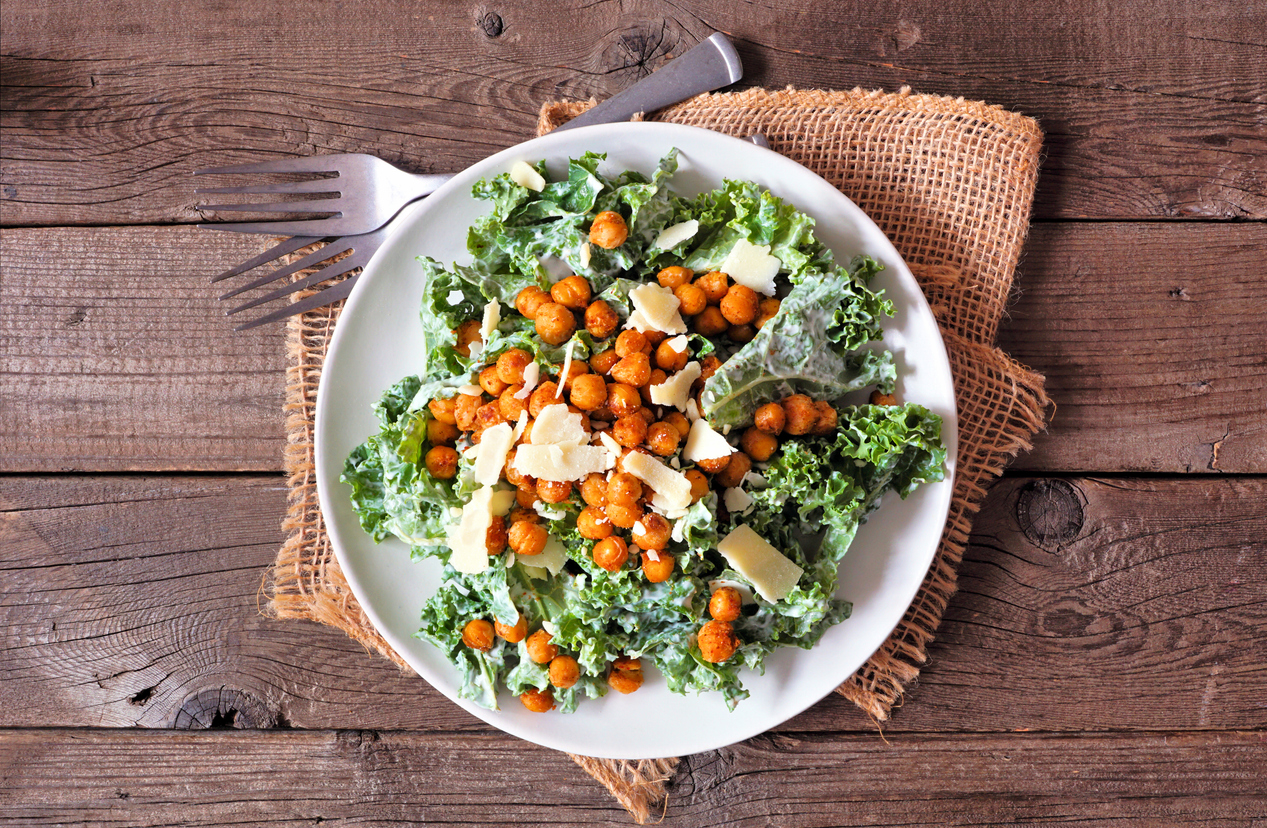
Chickpeas (also called garbanzo beans) are endlessly versatile and nutritionally impressive. In addition to protein, they’re rich in manganese, folate, and complex carbohydrates that digest slowly, making them a genuinely filling food that helps you stay satisfied between meals. Roasted chickpeas make a satisfying, crunchy snack that doesn’t feel like diet food.
How to eat them: Roast with olive oil, smoked paprika, and cumin for a crispy snack; blend into hummus; add to salads and grain bowls; or simmer into a warming coconut chickpea curry.
06
of 10
Spinach
Protein: ~3g per 3.5oz cooked | Cost: budget-friendly
Spinach doesn’t compete with legumes on raw protein numbers, but cooked spinach concentrates dramatically, and it punches hard on nutrient density per calorie. It’s loaded with iron, calcium, magnesium, and vitamins A, C, and K. It’s also one of the most affordable leafy greens in any form: fresh, frozen, or canned.
How to eat it: Saute with garlic and a squeeze of lemon as a simple side, stir into scrambled eggs or lentil soup, or blend into smoothies where it disappears completely behind fruit. Buy frozen spinach in bulk. It’s cheaper, lasts indefinitely, and requires no washing.
07
of 10
Broccoli

Protein: ~3.7g per 3.5oz cooked | Cost: budget-friendly
Cup for cup, broccoli has more protein than most people realize, and it comes bundled with vitamin C (more per serving than an orange), vitamin K, folate, fiber, and potent compounds called glucosinolates that support cellular health. It’s one of the most nutritionally efficient vegetables you can buy.
How to eat it: Roasted at high heat until the florets crisp at the edges, steamed and tossed with tahini dressing, or stir-fried with ginger, soy, and sesame oil. Frozen broccoli florets are a reliable, low-cost pantry staple.
08
of 10
Tempeh
Protein: ~19g per 3.5oz | Cost: mid-range
Tempeh is fermented soybean cake, and it’s one of the most protein-dense plant foods on earth. Because it’s fermented, the protein is more bioavailable than in raw soybeans, and it delivers a bonus of gut-friendly probiotics. It has a firm, chewy texture and a slightly nutty flavor that takes on marinades exceptionally well. It’s also a complete protein, like edamame.
How to eat it: Slice thin, marinate in soy sauce, garlic, and a little maple syrup, and pan-fry until caramelized. Add to grain bowls, tacos, or sandwiches anywhere you’d use meat.
09
of 10
Fava Beans
Protein: ~8g per 3.5oz cooked | Cost: budget-friendly dried, mid-range fresh
Fava beans (broad beans) are one of the oldest cultivated crops in the world, and they’ve earned their staying power. They’re rich in protein, fiber, iron, and L-dopa, a compound that supports dopamine production in the brain. They also provide a good amount of zinc, which supports immune function and thyroid health.
How to eat them: Simmer dried fava beans into a silky Egyptian ful medames with olive oil and lemon, toss fresh or frozen favas into spring pasta, or mash into a rustic dip with garlic and herbs.
10
of 10
Pumpkin Seeds (Pepitas)
Protein: ~9g per 1oz | Cost: mid-range
Technically a seed rather than a vegetable, but they come from one, and they’re too good to leave off this list. Pumpkin seeds are one of the most protein-dense plant foods by weight, and they’re extraordinary sources of magnesium, zinc, and healthy fats. A small handful adds serious nutritional weight to almost any meal.
How to eat them: Sprinkle over salads, soups, or grain bowls; toast with tamari and smoked paprika for a snack; blend into smoothies; or stir into overnight oats. Buying in bulk from the natural foods section or Costco brings the cost way down.


