
KEY POINTS
- Unwashed beets can carry soil-borne bacteria that pose a food safety risk.
- Leftover dirt and grit can ruin the texture of an otherwise perfectly cooked beet.
- Washing takes less than a minute but should always happen right before cooking, not before storing.
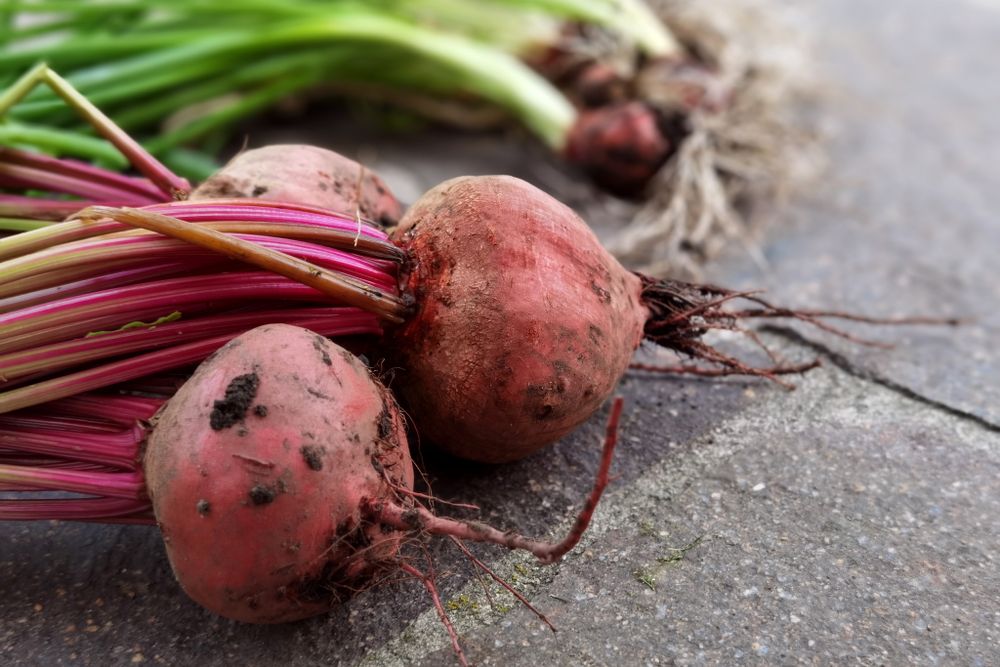
Beets are earth’s rooted treasure, vibrant, hearty, and versatile in dishes from roasted sides to tangy salads and bold desserts. It’s tempting to skip straight to peeling or chopping when you’re in a hurry, but beets grow underground and often carry a fine layer of dirt in their skin, even when they look clean. Washing them first isn’t just a nice-to-have step, it’s key to prepping beets safely and getting the best results in the kitchen.
RELATED: 8 Beet Recipes to Try This Season
What’s Actually on Unwashed Beets
Soil can carry bacteria, including strains that cause foodborne illness if they end up on your cutting board or in your food. Beets are also often sold with their greens still attached, and those leaves can trap even more dirt and debris in their creases. Rinsing removes this buildup before it has a chance to transfer to your knife, hands, or other ingredients.
There’s also the practical issue of grit. Nobody wants to bite into a roasted beet and get a gritty crunch that has nothing to do with the vegetable itself. A quick scrub solves this before it becomes a problem on the plate.
TIP
When inspecting a beet, look for a firm, smooth surface free of soft spots, cracks, or shriveling, since these are signs it’s past its prime. The greens, if still attached, should look fresh and vibrant rather than wilted, which is a good clue to how fresh the beet itself is.
How to Wash Beets Properly
Washing beets doesn’t take much effort, but doing it right makes a difference:
- Trim the greens, leaving about an inch of stem attached. This helps prevent the beet from bleeding too much color while it cooks.
- Hold the beet under cool running water.
- Use a vegetable brush to scrub the surface, paying attention to any creases or root ends where dirt tends to collect.
- Rinse again to remove any loosened debris.
- Pat dry with a clean towel before peeling, cutting, or cooking.
If your beets are especially dirty, a quick soak in a bowl of water for a few minutes before scrubbing can help loosen stubborn dirt.
If you use a use plastic or other non-porous cutting boards, run them through the dishwasher. In addition, the FDA recommends using one cutting board for fresh produce and a separate one for raw meat, poultry or seafood.


Does Washing Affect Flavor or Texture?
Not at all. Washing simply removes what’s on the outside of the beet, it doesn’t affect the flesh inside. If anything, starting with a clean beet makes it easier to see the skin clearly when you’re peeling, so you’re less likely to leave patches behind.
Should You Wash Beets Before Storing Them?
This depends on timing. If you’re storing beets in the fridge for more than a day or two before using them, it’s better to wait and wash them right before you cook, not before storing. Excess moisture on the skin can speed up spoilage. Instead, brush off loose dirt and store the beets dry, then give them a proper wash when you’re ready to use them.
If you’re freezing beets, however, washing comes first, since you’ll be cooking them shortly after anyway as part of the freezing process.
Protecting Both Food Safety and Flavor
Washing beets is a small step that protects both food safety and flavor. A quick scrub under running water removes dirt, bacteria, and grit before they end up in your finished dish. It takes less than a minute, but skipping it can mean a gritty bite or worse. Make it a habit every time you cook with beets, fresh or headed for the freezer.


