
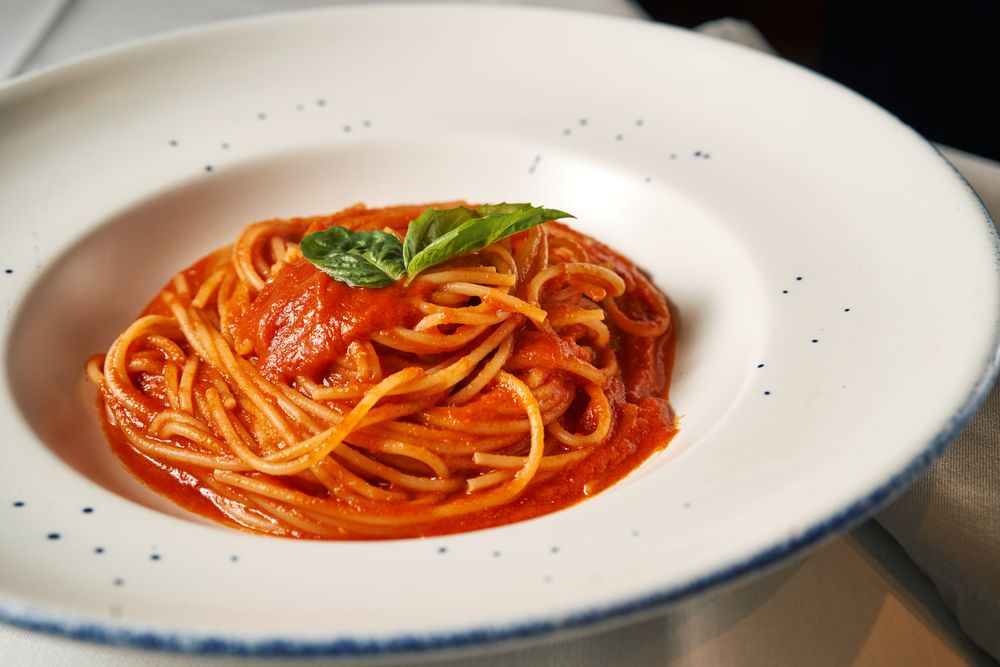
KEY POINTS
- The most flavorful pasta sauces come from combining components from different flavor families, like acid, fat, and herbs, rather than relying on a single sauce alone.
- Pasta cooking water is the secret finishing ingredient that emulsifies and unifies any sauce combination into a glossy, cling-worthy coating.
- Learning a few core sauce pairings lets you build impressive pasta dishes from whatever ingredients you already have on hand.
Combining pasta sauces is one of the most effective ways to elevate your home cooking without learning a new technique. Whether you are mixing tomato and cream into a silky rosa sauce, stirring pesto into a butter base, or layering a meat sauce with lemon and pasta water, the right pasta sauce combination transforms a simple weeknight dinner into something genuinely impressive. This guide covers the best pasta sauce combinations, how to build them, and why each one works.
RELATED: 7 Filler Soup Recipes to Nourish Your Body
What Are Pasta Sauce Combinations and Why Do They Work?
A pasta sauce combination is exactly what it sounds like: two or more sauces or sauce components cooked together or layered to create a single, more complex result. The reason combinations outperform single sauces comes down to flavor balance.
Tomato-based sauces are acidic and bright. Cream-based sauces are rich and fat-forward. Pesto is herbaceous and oily. Meat sauces deliver umami depth. Brown butter adds nuttiness and warmth. When you combine sauces from different flavor families, each one compensates for what the other lacks. Acid cuts fat. Fat softens bitterness. Umami builds body in thin sauces. Herbs lift heavy, dense flavors. Understanding this balance is the foundation of great pasta sauce cooking.
The 5 Best Pasta Sauce Combinations
1. Tomato and Cream Sauce (Rosa Sauce)
The tomato cream pasta sauce, also known as sauce rosa or pink sauce, is the most popular pasta sauce combination for good reason. It is easy to make, universally appealing, and more nuanced than either component on its own.
Start with a simple marinara or a San Marzano tomato sauce and finish it with a splash of heavy cream or a spoonful of mascarpone. The result is a rounder, silkier sauce that keeps all the brightness of the tomatoes while adding richness from the dairy.
The ratio determines the character of the final sauce. More tomato means a brighter, lighter dish. More cream means something closer to a bisque, thick and indulgent. Both work depending on your mood and the pasta shape you are using.
To push this combination further, add a splash of vodka before the cream. The alcohol extracts fat-soluble flavor compounds from the tomatoes, releasing depth that would otherwise go unnoticed. Let the vodka cook off before adding cream and you have a homemade penne alla vodka that outperforms almost any jarred version.
Best pasta shapes for tomato cream sauce: penne, rigatoni, tagliatelle
RELATED: 10 Clever Ways to Use Up Tomato Scraps
2. Pesto and Cream Sauce
Pesto on its own can be overpowering: too oily, too garlicky, and difficult to distribute evenly across pasta. Combine it with cream and both sauces become better.
Stir two tablespoons of basil pesto into a finished cream sauce and you get something herbaceous and fragrant without the rawness of straight pesto. The cream tames the sharpness of the garlic and balances the olive oil. The pesto prevents the cream sauce from feeling heavy and monotonous.
This combination works especially well on gnocchi, pappardelle, or any filled pasta like tortellini. The richness of the sauce complements the soft, pillowy texture of the pasta.
Best pasta shapes for pesto cream sauce: gnocchi, pappardelle, tortellini
3. Pesto and Tomato Sauce
Pesto and tomato do not blend so much as they coexist, and that is what makes this combination interesting. Rather than stirring the pesto completely into the tomato sauce, toss the pasta in a light olive oil and garlic base, add a simple tomato sauce, and finish with a spoonful of pesto on top.
The streaks of green running through the red sauce are visually striking and functionally useful. Each bite picks up a slightly different ratio of tomato acidity and herby pesto richness. This is a great combination for summer pasta dishes when basil is abundant and you want something that feels light but flavorful.
Best pasta shapes for pesto tomato sauce: spaghetti, linguine, fusilli
RELATED: 16 Easy Meal Prep Salad Jar Recipes
4. Meat Sauce with Cream or Butter
The best meat-based pasta sauces are already built on layered components. A classic Bolognese uses wine, milk or cream, tomato paste, and hours of slow cooking to create something far more complex than a simple meat sauce. You can apply this same principle to faster weeknight versions.
Brown Italian sausage in a pan and set it aside. Build a quick tomato sauce in the same pan, using the fond left behind by the sausage as a flavor base. Return the meat, then finish with a small amount of cream or a pat of butter to bind everything together. This combination of meat sauce, tomato, and dairy takes about thirty minutes and tastes like it took much longer.
You can also use a rich meat sauce as a starting point for something lighter. Thin a leftover Bolognese with pasta water and a squeeze of lemon. The starch in the pasta water emulsifies the sauce into a silky coating, and the lemon acid cuts through the fat of the meat. A dish that felt right only for winter suddenly works across more seasons.
Best pasta shapes for meat and cream combinations: tagliatelle, rigatoni, pappardelle
RELATED: 7 Butter Herb Combos That Will Transform Your Cast Iron Steak
5. Brown Butter and Tomato Sauce
Brown butter is an underused ingredient in pasta sauce combinations. On its own it is wonderful on filled pastas like ravioli or tortellini. But it also works as a bridge between components that might not otherwise belong together.
Combine brown butter with a small amount of reduced cream, a sprig of sage, and a spoonful of roasted tomato paste or sun-dried tomato. The nuttiness of the browned milk solids smooths out the acidity of the tomato. The cream ties everything into one emulsified sauce. The sage adds an aromatic note that complements both the dairy and the tomato in ways that fresh basil would not.
Best pasta shapes for brown butter tomato sauce: ravioli, tortellini, rigatoni
The Ingredient That Makes Every Pasta Sauce Combination Work
Regardless of which combination you choose, pasta cooking water is the most important finishing ingredient. This starchy, salted liquid emulsifies fat and water-based components, adjusts the consistency of the sauce without diluting its flavor, and helps the sauce cling to pasta rather than pool at the bottom of the bowl.
When combining two sauces that feel too thick or too separate, add pasta water a ladleful at a time while tossing vigorously over heat. The combination will come together into something unified and glossy. Reserve at least a cup of pasta water before draining, every time.
How to Build a Pasta Sauce Combination from What You Have
The most practical reason to learn pasta sauce combinations is that they let you cook great pasta from whatever is already in your kitchen.
A partial jar of marinara, some leftover roasted vegetables, a splash of cream, and fresh herbs can become a full, layered sauce in under twenty minutes. Blend half the roasted vegetables into the marinara for body and sweetness. Add the cream and reduce briefly. Toss with pasta and top with the remaining vegetables for texture.
No one eating that dinner will suspect it came from leftovers. They will just think you know how to cook, because at that point, you do.
Frequently Asked Questions
Can you mix two store-bought pasta sauces together? Yes. Combining a jarred marinara with a store-bought Alfredo, for example, produces a quick rosa sauce that tastes better than either product alone. Add pasta water to emulsify and finish with fresh herbs or parmesan.
What pasta sauces go well together? The most reliable combinations are tomato and cream, pesto and cream, meat sauce and butter, and brown butter with tomato paste. The general rule is to pair an acidic or herbaceous sauce with something rich and fat-forward.
Does pesto go with tomato sauce? Yes, though the best results come from keeping them slightly separate rather than fully blended. Add the pesto as a finishing spoon on top of a lightly sauced pasta so the flavors layer rather than muddy together.


