
Grocery prices seem to climb every year, but building a well-stocked kitchen doesn’t have to drain your wallet. The secret isn’t buying trendy superfoods or specialty ingredients. It’s mastering a handful of affordable staples that cost little but deliver enormously when it comes to nutrition, flavor, and convenience.
Below are seven affordable staples that belong in every budget-conscious kitchen, along with tips for making the most of each one and keeping your grocery budget in check.
01
of 07
Eggs
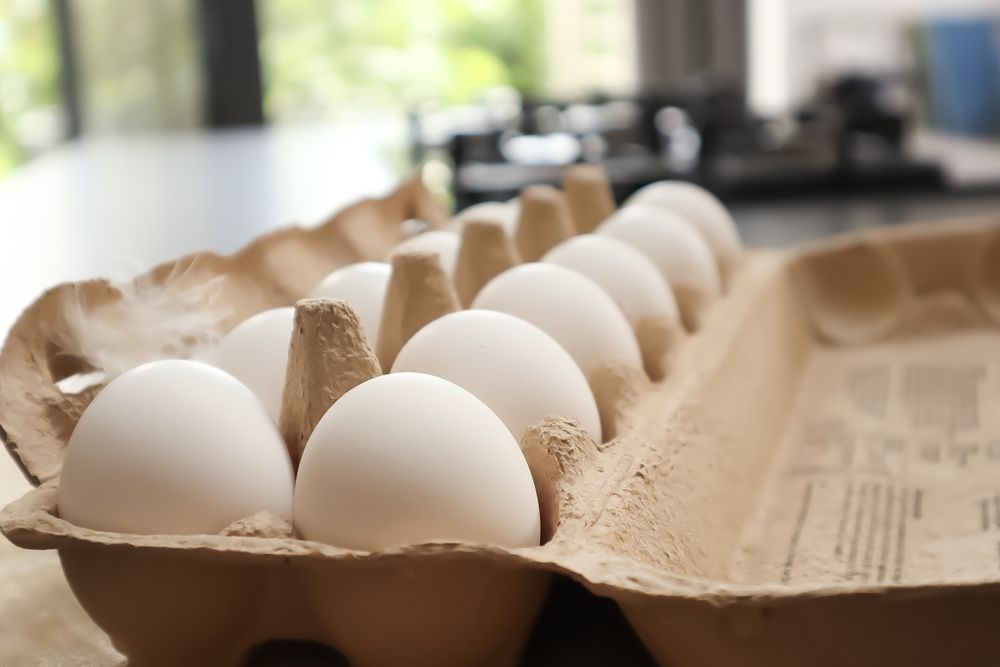
Few foods offer as much nutritional bang for your buck as eggs. A single carton provides a complete protein source, meaning it contains all nine essential amino acids your body needs. Eggs are also rich in choline, vitamin D, and B vitamins, all while remaining one of the cheapest protein sources at the grocery store.
Their versatility is unmatched. Scramble them for breakfast, boil them for a portable snack, poach them over greens, or fold them into fried rice for an easy dinner. Eggs also last several weeks in the refrigerator, so you rarely need to worry about waste.
Budget tip: Buy eggs in bulk when they go on sale and hard-boil a batch at the start of the week for grab-and-go protein.
RELATED: 11 Uses for Hard Boiled Eggs
02
of 07
Rice
Rice is the ultimate blank canvas. Whether you prefer white, brown, jasmine, or basmati, this grain is inexpensive, shelf-stable for years, and endlessly adaptable. A single bag can form the base for stir-fries, burrito bowls, soups, casseroles, or a simple side dish.
Rice is also calorie-dense and filling, which makes it a smart way to stretch smaller amounts of protein or vegetables into a full, satisfying meal. Buying it in bulk, especially from warehouse stores or the bulk bins at a grocery co-op, brings the cost down even further.
Budget tip: Cooked rice freezes well, so cook a large batch at the start of the week and portion it into containers you can pull out and reheat on busy days.
03
of 07
Beans
Dried or canned, beans are one of the most affordable sources of plant-based protein and fiber available. Black beans, pinto beans, chickpeas, and lentils can all be transformed into soups, dips, salads, tacos, and stews. They are naturally low in fat and packed with nutrients like iron, magnesium, and folate.
Dried beans cost even less than canned, though they require soaking and longer cook times. Canned beans offer convenience for busy weeknights and are still remarkably budget-friendly, especially when purchased on sale or in bulk.
Budget tip: Cook a big pot of dried beans and freeze them in portioned bags. You will always have a ready-to-use protein source without the premium price of canned varieties.
04
of 07
Oats

Oats are a breakfast powerhouse that costs pennies per serving. Rolled oats, steel-cut oats, and instant oats all offer fiber, particularly the cholesterol-lowering beta-glucan fiber that oats are known for. They keep you full for hours and can be dressed up with fruit, nuts, or a spoonful of nut butter.
Beyond breakfast, oats can be ground into flour for baking, used as a binder in meatballs or veggie burgers, or added to smoothies for extra texture and nutrition. A single container lasts a long time and rarely goes to waste.
Budget tip: Skip the flavored instant packets, which often cost more and contain added sugar. Buy plain oats in bulk and add your own toppings.
05
of 07
Canned Tomatoes
Canned tomatoes are a cornerstone of budget cooking around the world, and for good reason. They form the base of sauces, soups, chilis, and stews, delivering rich flavor and a dose of vitamin C and lycopene, an antioxidant linked to heart health.
Unlike fresh tomatoes, which can spoil quickly and vary in quality depending on the season, canned tomatoes are picked and processed at peak ripeness, locking in flavor and nutrients year-round. Whole, diced, and crushed varieties each bring something different to a recipe, so it’s worth keeping a few types on hand.
Budget tip: Store-brand canned tomatoes are often just as good as name brands. Compare ingredient lists rather than price alone to find the best value.
RELATED: 10 Clever Ways to Use Up Tomato Scraps
06
of 07
Frozen Vegetables
Frozen vegetables are frequently overlooked in favor of fresh produce, but they deserve a permanent spot in your freezer. Vegetables are typically flash-frozen shortly after harvest, which preserves their nutrients and often makes them just as healthy, sometimes more so, than fresh produce that has traveled long distances and sat on shelves.
Frozen peas, corn, broccoli, spinach, and mixed vegetable blends are ready to use straight from the bag, with no chopping or washing required. They also eliminate food waste since you can use exactly what you need and leave the rest frozen for later.
Budget tip: Buy large bags of frozen vegetables rather than small boxes. The per-serving cost drops significantly, and they last for months without spoiling.
07
of 07
Seasonal Produce
While frozen vegetables cover your off-season needs, fresh seasonal produce should still play a role in a budget-friendly kitchen. Fruits and vegetables that are in season are typically more abundant, which drives prices down and often results in better flavor and quality.
Shopping seasonally also encourages variety in your diet throughout the year. Think berries and stone fruits in summer, squash and root vegetables in fall, citrus in winter, and asparagus and peas in spring. Farmers markets and the sale section of your local grocery store are great places to find seasonal deals.
Budget tip: Buying produce at your local international market offers big savings.


