
KEY POINTS
- Most household items have a longer usable life than people assume, and knowing the real numbers saves money.
- A few items (like sponges and pillows) actually need replacing more often than most households realize.
- Simple checks, not guesswork, are the best way to decide when something is truly done.
Your home is full of quiet decisions you make without thinking twice. Is this sponge still good? Do these batteries actually work? Is it finally time for a new pillow? Most of us go with a gut feeling, and that gut feeling is wrong more often than you’d guess.
Some items get tossed months before they’ve actually worn out, which means money down the drain. Others stick around long after they’ve stopped doing their job, which means you’re cleaning with a dull tool or sleeping on a flat pillow and not even realizing it. Either way, it’s worth knowing the real numbers.
We’re breaking down the actual lifespan of 20 common household items, room by room, along with the tell-tale signs that it’s genuinely time to let go.
RELATED: How to Deep Clean Your Dryer — Experts Weigh In
Kitchen Items
1. Dish sponges. These deserve a fresh swap every 1 to 2 weeks, and it’s one of the few items on this list you’re probably not replacing often enough. A damp sponge sitting by the sink is one of the fastest-growing bacterial environments in your entire home.
2. Non-stick pans. Expect 3 to 5 years of good use. Once food starts sticking even with oil, or you notice flaking, the coating has broken down and small bits may be ending up in your dinner.
3. Plastic cutting boards. These hold up for 1 to 5 years depending on how hard you’re on them. Deep knife grooves trap bacteria that a regular wash can’t fully reach, so if you can see grooves you can’t scrub clean, it’s time for a new one.
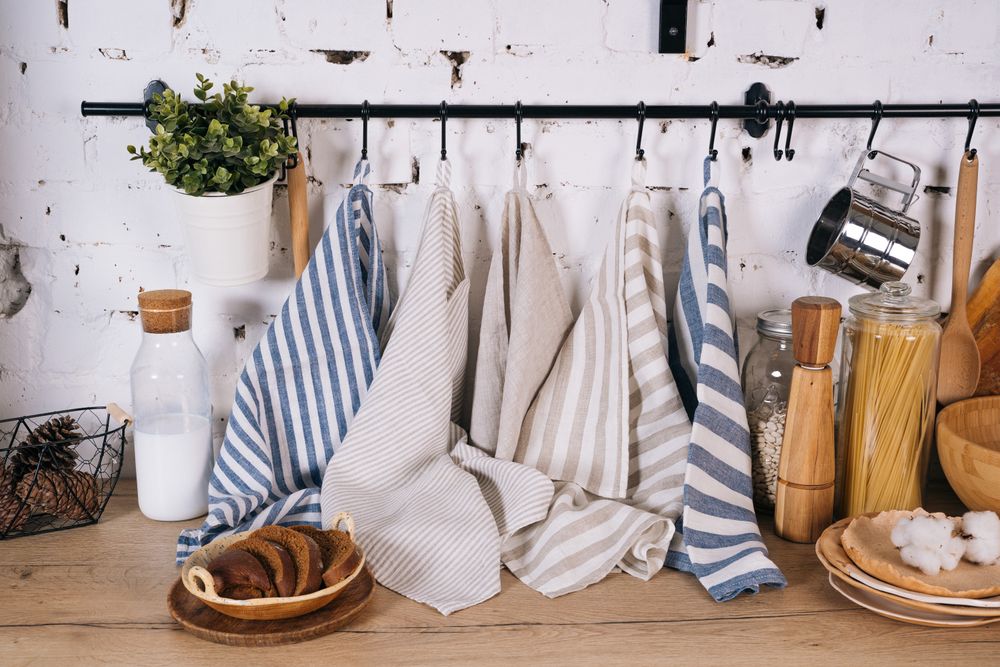
4. Kitchen towels. A towel itself can last 1 to 2 years, but it should be laundered every 1 to 2 days. The towel usually isn’t the problem. How often it gets washed is.
5. Plastic food storage containers. Plan on 1 to 2 years before the plastic starts breaking down, especially with regular microwave use. Swap them sooner if they’re stained, warped, or hold onto smells no matter how many times you wash them.
6. Oven mitts. These can last 3 to 5 years, but pay attention to the insulation. If heat is coming through faster than it used to, the padding has compressed and lost its protective punch.
RELATED: These Vintage Spatulas, Turners, and Servers are Worth Hunting at the Thrift Store
Bathroom Items
7. Toothbrushes. Give these a refresh every 3 months. The bristles splay and lose effectiveness well before they look obviously worn out.
8. Loofahs and shower puffs. These need replacing every 3 to 4 weeks. Just like sponges, they hold onto moisture and can turn into a bacteria breeding ground fast, especially in a steamy shower.
9. Bath towels. With regular washing, these last 2 to 3 years. If a towel doesn’t absorb water well anymore even after a fresh wash, the fibers have broken down and it’s ready to retire.
10. Multi-use razors. Replace after 5 to 10 shaves. A dull blade doesn’t just make for a rougher shave, it also raises your odds of nicks and irritation.
11. Shower curtain liners. These typically last around 6 months to a year. Mildew and soap scum buildup on plastic liners is pretty much unavoidable over time, even with regular cleaning.
Bedroom Items
12. Pillows. Plan for a swap every 1 to 2 years. Pillows soak up sweat, oil, and dead skin over time, which affects both support and allergens. The fold test still holds up here: fold your pillow in half, and if it doesn’t spring back on its own, it’s done.
13. Mattresses. These last 7 to 10 years on average, depending on the materials and how much use they get. Sagging, new aches when you wake up, or visible indentations all signal the support layer has worn out.
14. Bed sheets. With weekly washing, sheets last 2 to 3 years. Fabric that’s gone thin, rough, or pill-covered no longer wears evenly and tears more easily.
RELATED: 10 Household Hacks with Baking Soda and Vinegar
Cleaning and Household Supplies
15. Alkaline batteries, unused. These have a shelf life of 5 to 10 years unopened. If a device suddenly stops working, don’t assume the batteries are dead just because they’ve been sitting around. Check the expiration date printed right on them first.
16. HVAC air filters. Swap these every 1 to 3 months, more often if you have pets or allergies. A filter that’s visibly gray or clogged is restricting airflow and making your whole system work harder than it should.
17. Smoke detector batteries. Replace these batteries every 6 months to a year, even if the detector hasn’t chirped yet. Waiting for a low-battery warning means betting on the alert working correctly when it counts.
18. Cleaning sprays, once opened. Most last 1 to 2 years after opening, though the active ingredients can lose strength sooner. If a cleaning spray doesn’t smell as strong or cut grease like it used to, the formula has likely faded.
19. Fire extinguishers. These last anywhere from 5 to 15 years depending on the type, but the pressure gauge deserves a monthly glance. A gauge reading outside the green zone means it needs servicing or replacing, no matter what the date on the label says.
20. Reusable furnace and AC filters. With cleaning every 1 to 3 months, these can last several years, but check them for tears or warping along the way. A damaged reusable filter no longer seals properly and lets debris slip through.
Related Stories


The Pattern Behind It All
Looking at this list, a clear pattern shows up. The items that need replacing most often, like sponges, loofahs, and toothbrushes, are the ones that stay damp and see daily use. The items that last far longer than most people expect, like batteries, fire extinguishers, and reusable filters, are the ones people tend to replace based on age alone instead of actual condition.
A good rule of thumb: for anything that sits in water or moisture regularly, put it on a short, fixed replacement schedule. For everything else, check its actual condition before assuming it needs to go.
A Few Quick Checks Worth Doing This Week
- Fold-test your pillows.
- Check the expiration stamp on any loose batteries in a drawer.
- Take a look at the gauge on your fire extinguisher.
- Give your kitchen sponge an honest smell test (you already know what you’ll find).
These quick checks take no more than a minute, and together they’ll save you from overspending on early replacements while making sure nothing sticks around long after it’s stopped doing its job.

