
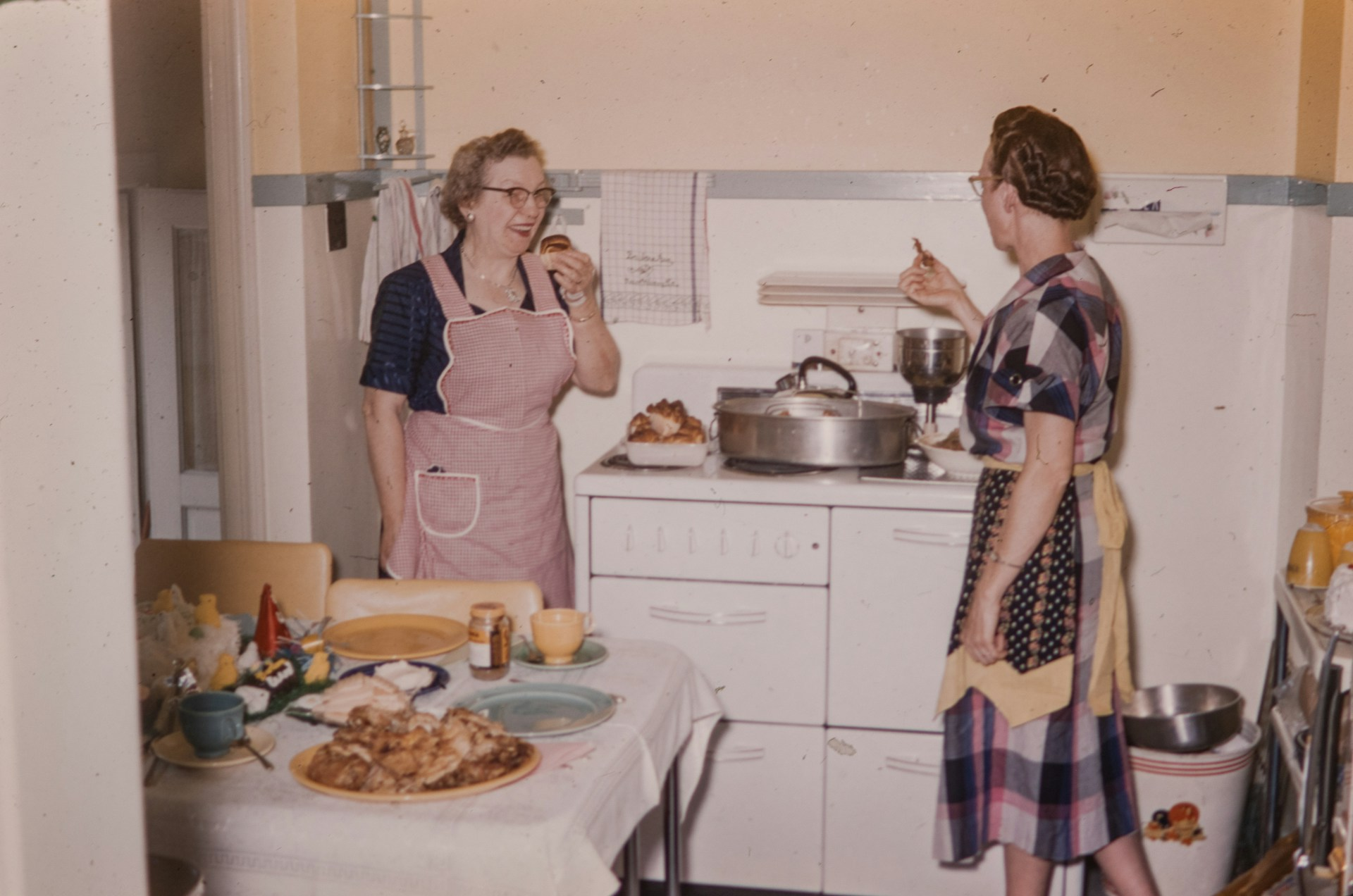
There’s a certain kind of knowledge that gets lost between generations — not because it stops being useful, but because the marketplace quietly replaces it with something you can buy. The people who kept households running during the 1930s, 40s, and 50s didn’t have a specialty product for every problem. They had ingenuity, patience, and a deep-seated belief that waste was something to be avoided at all costs.
For those of us passionate about frugal living and sustainability, that era is a goldmine. These weren’t people following a trend — they were solving real problems with what they had on hand. The household and kitchen tips they relied on daily weren’t written up in lifestyle magazines. They were passed from mother to daughter, neighbor to neighbor, learned through necessity and perfected through repetition. And the best part? Most of them still work just as well today as they did 80 years ago.
KEY POINT
The most powerful shift you can make isn’t adopting any single tip from this list. It’s adopting the mindset behind all of them. That’s the real lesson from this era: resourcefulness isn’t a skill you’re born with, it’s a habit you build, one small decision at a time.
1
of 20
Save your bacon grease
Every time bacon hits the skillet, the drippings that remain are not waste — they’re your next cooking fat. Pour them into a small jar by the stove, strain out the bits, and use that golden fat for frying eggs, sautéing greens, or making skillet cornbread. It costs nothing extra, adds incredible flavor, and replaces oils you’d otherwise buy. “My grandmother embraced this core tip”, the author adds. “It’s probably where my love for bacon comes from.”
2
of 20
Use potato water in bread dough
The cloudy, starchy water left behind after boiling potatoes is a natural dough conditioner. Added to homemade bread, it helps the yeast activate more vigorously, produces a softer crumb, and extends how long the loaf stays fresh. Pour it down the drain and you’re wasting something genuinely useful.
3
of 20
Salt and lemon for cleaning
Coarse salt paired with half a lemon will scour a cast iron skillet, lift stains and odors from a wooden cutting board, and polish a copper pot to a warm shine — all without chemical residue, excess packaging, or spending a cent on specialty cleaners. It’s one of the simplest and most effective swaps you can make in the kitchen today.
4
of 20
Onion halves on the grill
Cut an onion in half, skewer it, and rub the flat side firmly across a hot grill grate. The natural juices loosen grease and char while the steam sanitizes the surface. No wire brush needed, no cleaning product required — just an onion that was likely heading for the compost anyway.
5
of 20
Salt eggplant before cooking
Slicing eggplant, salting it generously, and letting it sit for 20–30 minutes draws out excess moisture and removes bitterness before it hits the pan. When cooking oil was rationed and every ingredient mattered, this step ensured nothing was wasted on a dish that didn’t turn out well. It still makes a meaningful difference in the final flavor.
6
of 20
Store cheese in vinegar-dampened cloth
Block cheese is almost always cheaper per ounce than pre-sliced or shredded, but mold can cut your investment short. Wrap the block in a clean cloth lightly moistened with white vinegar and refrigerate. The mild acidity inhibits mold without affecting flavor, keeping your cheese fresh significantly longer and reducing food waste.
7
of 20
Ripen fruit in a brown paper bag
Stores stock fruit before it’s fully ripe so it survives transport. A brown paper bag traps the ethylene gas fruit naturally releases, speeding up ripening dramatically. A firm pear can be table-ready in a day. A hard avocado can soften by morning. No gadgets, no waste — just a bag you already have. “This is my tried and true method for ripening an avocado quicker”, mentions the author.
8
of 20
Wrap celery in aluminum foil
Rewrapping celery tightly in aluminum foil before refrigerating keeps it crisp for up to two weeks. Unlike plastic bags, foil allows ethylene gas to escape while retaining just enough moisture. It’s a small change that dramatically cuts down on produce waste.
9
of 20
Store bread in wax paper
Before zip-lock bags, bread was wrapped tightly in wax paper. It breathes slightly, preventing the condensation that makes bread go soggy while still protecting it from drying out. It’s compostable, inexpensive, and still one of the best options for homemade bread in particular.

10
of 20
Newspaper for streak-free windows
Crumpled newspaper wiped across glass after a spray of diluted white vinegar leaves windows genuinely streak-free. The slight texture of the paper creates a mild polishing effect that paper towels can’t replicate. It costs nothing if you already have old newspapers, and it works better than most products sold specifically for the job.
11
of 20
Vinegar as fabric softener
A quarter cup of plain white vinegar added to the rinse cycle neutralizes detergent residue, softens fabric, and reduces static — all without synthetic chemicals or plastic bottles. Your laundry won’t smell like vinegar once it’s dry. A gallon of white vinegar costs less than two dollars and lasts for weeks of washing.
12
of 20
Baking soda for practically everything
A single box covers deodorizing the refrigerator, cleaning the sink, freshening laundry, brushing teeth, cleaning a cast iron skillet, soothing insect bites, and scrubbing surfaces — all for about fifty cents. It’s one of the most cost-effective multi-purpose products that exists, and it always has been. If you’re buying separate products for each of those tasks, you’re spending far more than you need to. “My kitchen is always stocked with a 5lb bag of baking soda and 2 bottles of vinegar”, says the author. “Baking soda has so many wonderful uses around the house!”.
13
of 20
Chalk in the silverware drawer
Tarnish is caused by moisture reacting with silver. A piece of chalk placed in the silverware drawer quietly absorbs ambient humidity before it can do damage, extending the time between polishing sessions. It costs nothing and requires no maintenance — just set it and forget it.
14
of 20
Keep coffee grounds out of the trash
Used coffee grounds are a natural fertilizer rich in nitrogen. Scattered around garden plants, they feed the soil and deter pests like slugs and snails. They can also be used to neutralize odors in the refrigerator or freezer, much like baking soda. What leaves your morning cup as waste becomes a resource in the garden.
15
of 20
Brown paper bags for more than just fruit
Beyond ripening fruit, brown paper bags were kept for wrapping lunches, lining baking sheets, draining fried food, covering textbooks, and collecting compostable scraps. In a household where nothing was single-use, the humble paper bag had a dozen lives before it was ever discarded.
16
of 20
Bar soap on sticky drawers
Run a dry bar of soap firmly along the wooden runners of a stubborn or squeaky drawer and it glides open smoothly. The wax in the soap reduces friction between the wood surfaces instantly. It works just as well on sticky windows and doors. No tools, no hardware, no products — just soap.
17
of 20
Clothespins to seal open bags
Before chip clips and zip-lock bags, wooden clothespins were pulled from the laundry line and used to seal open bags of flour, sugar, crackers, and cereals. They grip tightly, cost almost nothing, and last for years. If you’ve never tried using a clothespin as a bag seal, you’ll wonder why you ever bought anything else. “Open my junk drawer and you will find a clothespins readily available to close up the snacks in the house”, chimes in the author.
18
of 20
Old stockings as a straining tool
When cheesecloth wasn’t available, clean silk or nylon stockings stretched over a bowl made a perfectly fine strainer for broths, stocks, and sauces. It’s a small reminder that improvisation was a daily practice, not a last resort.
19
of 20
Hang the laundry outdoors
Before electric dryers became a household fixture, every family had a clothesline strung across the yard or back porch. Sheets, shirts, and work clothes were pegged out in the morning and brought in by afternoon — dry, fresh-smelling, and sun-bleached naturally white without a drop of bleach. Hanging laundry outdoors costs absolutely nothing to run, extends the life of your clothing by reducing heat damage from the dryer, and leaves everything smelling of clean air.
20
of 20
The darning egg
No object better captures the spirit of the era than the darning egg. Slipped inside a worn sock, this smooth wooden oval gave the mender a firm surface to weave thread back and forth across a hole, returning the sock to usefulness. In a time when socks were expensive relative to income, throwing out a worn pair wasn’t an option. Today, socks are cheap — but the habit of mending, of choosing repair over replacement, is one of the most genuinely sustainable practices anyone can adopt.

