
Let’s be honest: very few pleasures in life beat a great meal you didn’t have to cook yourself. No chopping, no dishes, no figuring out what to do with the half-can of coconut milk left in the fridge. But restaurant tabs have a way of adding up fast and before you know it, dining out has quietly become the biggest line item in your monthly budget.
The good news? You don’t have to choose between enjoying restaurants and being financially responsible. The secret is shifting from reactive spending (showing up hungry, ordering whatever sounds good, tipping generously on a bill that somehow hit $90 for two) to intentional spending. Here’s how to do it without sucking all the fun out of dinner.
Go at Lunch, Not Dinner
This is the single most effective trick in the book, and it’s wildly underused. Most restaurants offer the exact same dishes at lunch for 20–40% less than they charge at dinner. The kitchen is the same, the cooking is the same, the ambiance is largely the same — the only difference is the price tag and the hour on the clock.
Want to try that new steakhouse downtown? Go for their weekday lunch. Want to celebrate a birthday at a fancy spot? Make it a long Saturday lunch instead of a Saturday night reservation. You’ll spend less, wait less, and often get more attentive service because the room isn’t packed.
“The best restaurant secret isn’t on the menu — it’s on the clock. Lunch is the same kitchen at a fraction of the price.”
Drink Water (At Least at First)
Beverages are where restaurants make a killing. A round of cocktails, a bottle of wine, a few sodas — suddenly $30 to $60 has quietly left your table before the food even arrives. That’s not to say you should never order a drink, but being intentional about it matters.
Start with water while you look at the menu. If you want a drink, pick one good one rather than multiple rounds. If wine is your thing, a glass almost always makes more financial sense than a bottle unless you’re splitting it across four people.
Share Strategically
Portions at American restaurants are famously oversized, which actually works in your favor if you’re willing to share. Splitting an appetizer and an entree between two people is often more than enough food — and cuts the bill nearly in half. Many cuisines lend themselves naturally to a shared, family-style approach: tapas, dim sum, Indian, and Ethiopian food are all built around the table sharing multiple dishes.
If you’re dining solo or with someone who insists on ordering separately, consider making an appetizer your main course. Starters are typically smaller, cheaper, and just as carefully prepared as the entrees.
Use Apps and Loyalty Programs Wisely
Restaurant loyalty programs have gotten genuinely good. Chains like Chipotle, Panera, and Sweetgreen offer points-based rewards that add up quickly if you’re already eating there regularly. Many local spots have their own punch cards or digital programs too — it takes thirty seconds to sign up and can mean a free meal every month or two.
Third-party apps like OpenTable, Yelp, and Seated sometimes offer points or cash back just for making a reservation. It’s not going to retire you, but there’s no reason to leave money on the table (so to speak). Deal apps like Restaurant.com or Groupon can also yield solid discounts — just read the fine print so you’re not surprised by excluded menu items or mandatory minimums.
Know When to Skip the Add-Ons
Restaurants are trained to upsell. “Would you like to add soup or salad? Upgrade to the truffle fries? Start with one of our specialty cocktails?” These aren’t bad things — but they compound quickly. A $16 entree becomes a $28 experience before you’ve made a single splurge-level choice.
- Skip the bread basket if you’re watching carbs or budget — it’s often just a way to fill you up before your meal arrives
- Pass on the upcharge sides when the base dish already comes with something
- Dessert at a restaurant is almost always overpriced — consider grabbing something from a bakery on the way home
- Avoid the “premium” version of a dish unless you genuinely care about that upgrade
Embrace the Local Joint
Here’s an underrated truth about eating out: some of the best meals you’ll ever have cost under ten dollars. The neighborhood taqueria, the family-run pho spot, the hole-in-the-wall shawarma counter with three tables and a handwritten menu — these places are the beating heart of a food culture, and they’ll treat your wallet with far more respect than anywhere with a QR code menu and mood lighting.
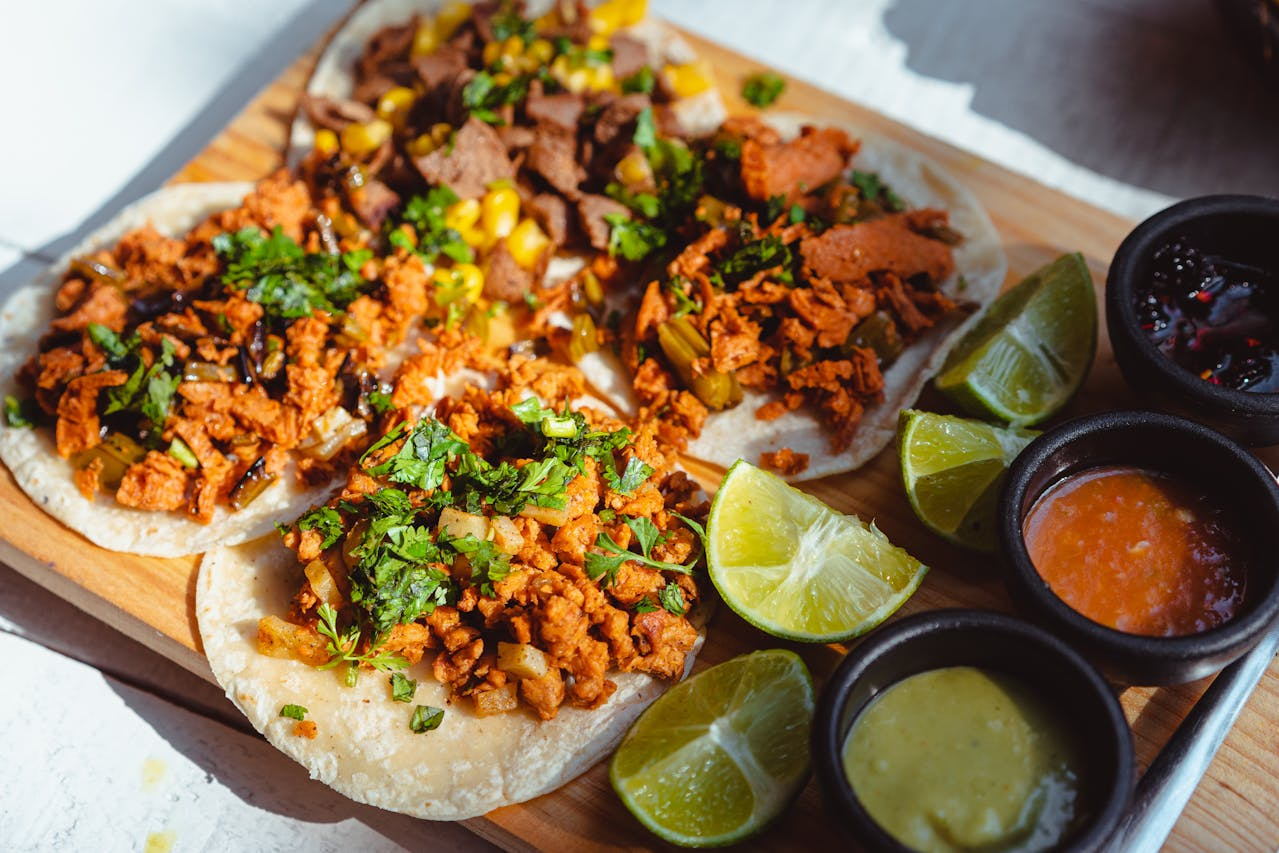
Take the taqueria. Three tacos at a well-loved local spot might run you $8–$11, taste extraordinary, and leave you genuinely full. The equivalent meal — a “street taco flight” — at a trendy restaurant downtown could easily cost $22 before you’ve added a drink. You’re not paying for better food. You’re paying for the ambiance, the branding, and someone’s interior design choices.
Local joints also tend to have a regulars effect: the more you show up, the more you’re remembered. That can mean a little extra in the bowl, a heads-up about the daily special, or simply a warmth to the meal that no loyalty app can replicate. Find two or three neighborhood spots you love — a taqueria, a noodle place, a diner — and rotate through them. You’ll eat well, spend little, and actually become part of something.
Look at the Menu Before You Go
One of the simplest habits that almost nobody practices: check the menu online before you leave the house. It takes two minutes and can save you real money — not through coupons or tricks, but through better decision-making.
When you arrive at a restaurant hungry, with people talking around you and a server hovering, you make impulsive choices. You order the first thing that sounds good, say yes to things you don’t need, and skip past the prices because it feels rude to linger on them. But when you’ve looked at the menu in advance, you walk in with a plan. You already know what you want, roughly what it costs, and whether the restaurant fits your budget at all — before you’re already seated and committed.
Pre-reading the menu also helps you spot the hidden value. Most menus have a few dishes that are genuinely well-priced relative to everything else — a pasta that punches above its cost, a lunch plate that’s larger than it sounds, a daily special that represents the kitchen’s best work at a fair price. You’ll never find these gems when you’re scanning frantically as the server waits. Browse at home, unhurried, and you’ll order smarter every time.
Set a Budget Before You Go Out
This sounds almost comically simple, but it works. Decide — before you walk in — what you’re comfortable spending. Not a vague “I’ll try to be reasonable” intention, but an actual number. When you glance at the menu with a $35 per-person ceiling in your head, your choices naturally shift. You notice the mid-range options more, you’re less tempted by the $42 special, and you feel good at the end of the meal rather than quietly calculating the damage.
If you’re going somewhere you know will be expensive, plan for it — cut back somewhere else that week. The goal isn’t to avoid spending money at restaurants. It’s to spend it consciously, on the meals that genuinely matter to you, rather than watching it drift away on auto-pilot.
Eating out is one of life’s genuine joys. Good food, good company, the pleasure of being served — these things have real value. But that value doesn’t require paying premium prices on a Tuesday night because you forgot to plan. A few small shifts in habits can cut your restaurant spending by a third or more without cutting a single meal you actually care about. Eat thoughtfully, tip fairly, and enjoy every bite.


