
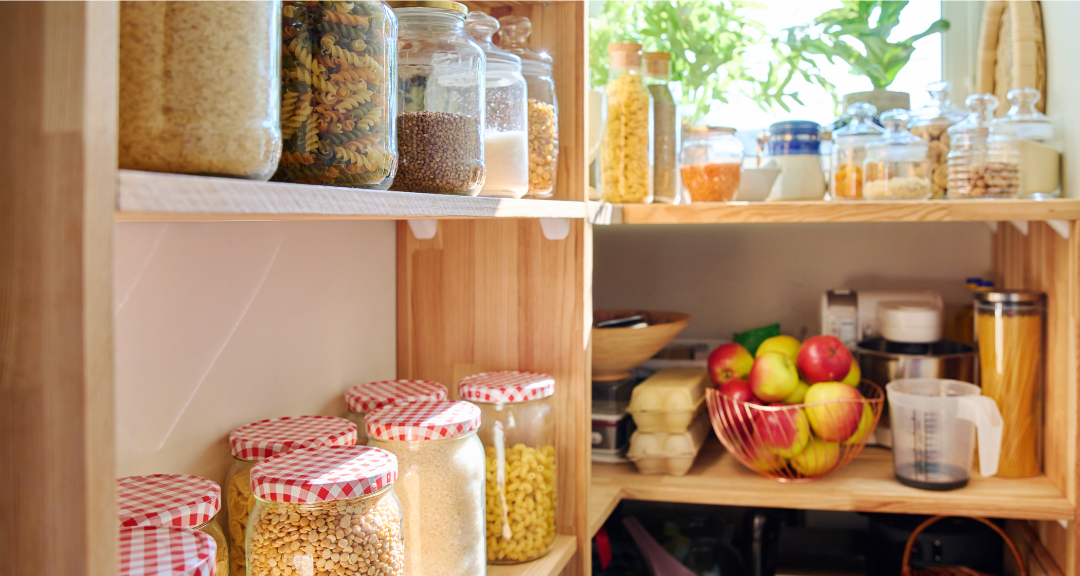
We’ve all been there: you come home from the grocery store, arms full of bags, only to discover three half-opened boxes of pasta sitting on the shelf. Or you buy a new jar of paprika, only to find two more hiding behind the olive oil. A disorganized pantry doesn’t just create clutter — it costs you real money and real time. The good news is that with a little effort upfront, you can build a pantry system that actually works and keeps those duplicate purchases from happening ever again.
Start with a Full Pantry Audit
Before you organize anything, you need to know exactly what you’re working with. Pull everything out and lay it on your counter or kitchen table. Check expiration dates as you go and toss anything that’s past its prime. You’ll likely be surprised by how much has been lurking in the back of those shelves.
As you sort through your items, group them into categories: canned goods, grains and pasta, baking supplies, snacks, condiments, oils and vinegars, spices, and so on. This step alone will reveal how many duplicates you already have — and give you a clearer picture of what you actually use versus what just takes up space. This audit shouldn’t be a one-time event; aim to do a lighter version of it every three to six months.
RELATED: Best Spices for a Frugal Kitchen
Create Zones That Make Sense for Your Household
The secret to a pantry that stays organized is grouping items the way you actually cook and shop. Think about your kitchen habits: What do you reach for every day? What only comes out occasionally? What do you buy in bulk?
Designate specific zones for each category. Keep everyday staples — oils, salt, pasta, canned tomatoes — at eye level for easy access. Place baking supplies together so you’re not hunting for active dry yeast across three shelves. Store snacks lower if you have kids who need to grab them independently. Put bulk purchases or backup items higher up or toward the back, where they’re accessible but not taking up prime real estate.
Consistency is everything. When every item has a home, you’ll always know at a glance what you have and what you’re running low on. That visual clarity is your best defense against buying things you already own.
RELATED: Does Store Bought Yeast Go Bad?
Use Clear Containers and Labels
Transferring dry goods into clear, uniform containers is one of the most impactful upgrades you can make. Being able to see exactly how much rice, flour, or oats you have left means no more guessing at the store. Look for stackable, airtight containers in similar sizes — they make the most of vertical space and keep food fresher longer.
Labels are equally important. Use a label maker, chalkboard labels, or even a piece of masking tape and a marker. Label not just what the item is, but include the expiration date if it’s something that sits for a long time. This takes about 30 seconds per container but saves significant time and confusion down the road.
For canned goods, consider a simple first-in, first-out system: place newer cans behind older ones so you always reach for the can that needs to be used first. This small habit prevents food waste and keeps your pantry naturally rotating.

Build a Pantry Inventory (and Actually Use It)
This is the step most people skip and it’s the one that makes the biggest difference in avoiding duplicate purchases. Keep a simple inventory of your pantry items somewhere accessible. This doesn’t need to be complicated: a notes app on your phone, a small whiteboard stuck to the pantry door, or a shared digital document all work perfectly well.
The key is updating it consistently. When you use the last of something, remove it from the list. When you restock, add it back. Before every grocery run, check your inventory rather than trying to mentally picture what’s on the shelves. This one habit can dramatically reduce the “I thought we were out of that” problem.
If a written inventory feels like too much maintenance, take a quick photo of your pantry shelves before heading to the store. It’s not as precise as a written list, but it gives you a visual reference when you’re standing in the canned goods aisle wondering if you actually need chickpeas.
Shop With a System, Not Just a List
A well-organized pantry means nothing if your shopping habits work against it. Before you write your grocery list, check your pantry — not from memory, but physically look at what you have. Cross-reference with your inventory if you’re keeping one.
When you write your list, be specific. Instead of writing “pasta,” write “spaghetti (we have penne)” so you’re not buying a third box of penne by accident. Note quantities when relevant: “olive oil — about a quarter bottle left” helps you decide whether to buy more now or wait.
It also helps to shop your pantry before meal planning for the week. Build meals around what you already have rather than always starting fresh. This reduces waste, saves money, and keeps your pantry cycling through its stock instead of accumulating more.
RELATED: How to Read the Unit Price in the Grocery Store (to Save You Money)
Maintain It With Small, Regular Habits
The biggest reason pantries fall back into chaos is that organization gets treated as a one-time project rather than an ongoing practice. The good news is that maintenance takes only a few minutes a week if you’re consistent.
Each time you put away groceries, take a moment to face the shelves and pull items forward so nothing gets buried in the back. Spend two minutes every week or two scanning for anything approaching its expiration date and move it to the front. When something runs out, update your list or inventory immediately rather than relying on your memory.
An organized pantry gives you more than just tidy shelves. It gives you clarity about what you have, reduces food waste, saves money by eliminating duplicate purchases, and makes cooking feel a lot less stressful. Start with the audit, build your zones, label everything, and keep a simple inventory. The investment of a couple of hours now will pay dividends every single time you open that pantry door.


