
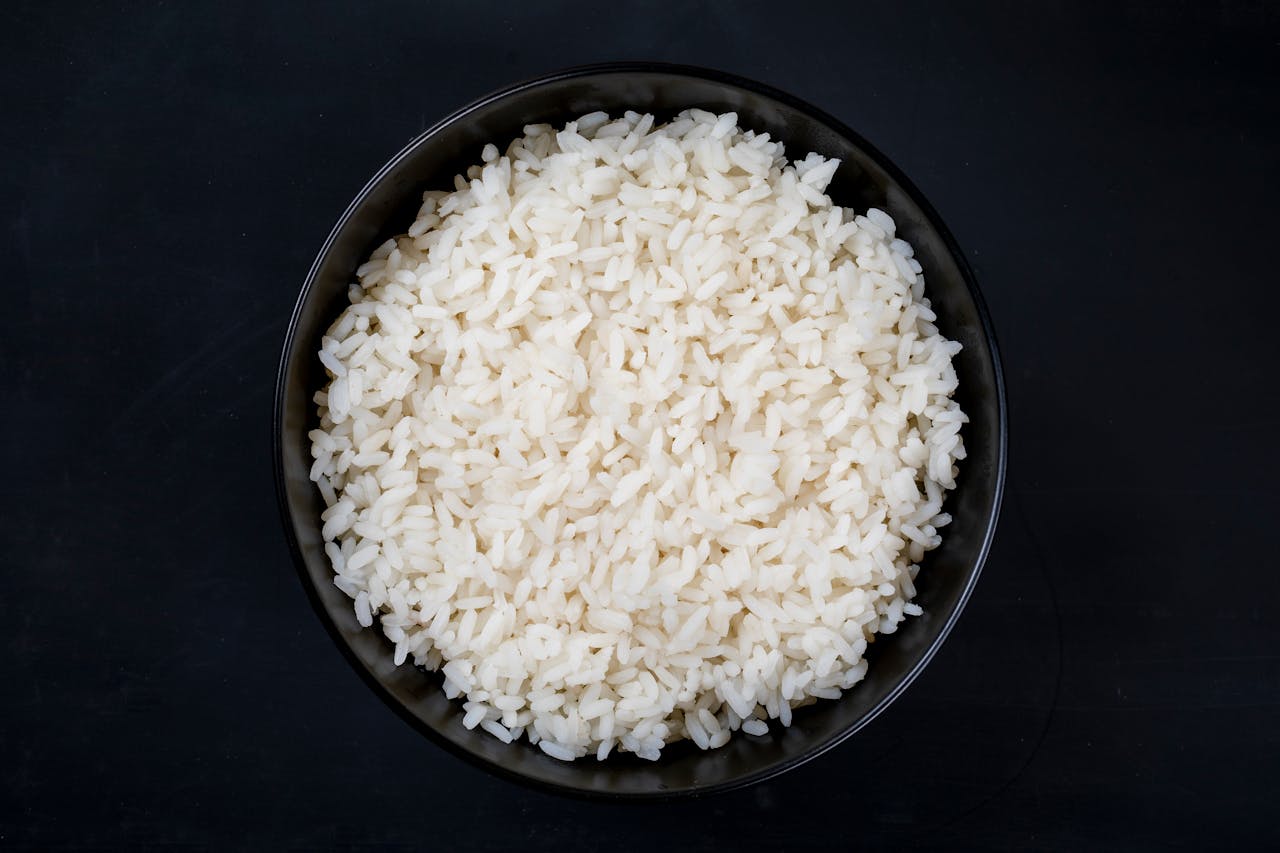
If you’ve ever made a giant pot of rice and stared at the leftovers wondering what to do with them, you’re not alone. The good news? Freezing rice is not only possible — it’s one of the smartest meal prep moves you can make. Done right, frozen rice tastes just as good as fresh, reheats in minutes, and can save you time on busy weeknights. Here’s everything you need to know.
Why Freeze Rice in the First Place?
Rice is one of the most convenient foods to batch cook and freeze. A single pot can yield four to six servings, and freezing the extras means you always have a ready-made grain on hand. Whether you’re building a quick burrito bowl, pairing a side with grilled chicken, or throwing together a last-minute stir-fry, having frozen rice in the freezer is a genuine game-changer.
Beyond convenience, freezing rice also cuts down on food waste. Cooked rice left in the fridge should be eaten within three to four days. But in the freezer? It stays good for up to six months.
What Types of Rice Can You Freeze?
Almost any cooked rice freezes well, including:
- White rice (long-grain, jasmine, basmati) — freezes beautifully with minimal texture change
- Brown rice — freezes well and arguably reheats better than white rice since its slightly chewier texture holds up
- Fried rice — yes, you can freeze it! Just note that any vegetables in it may soften a bit more on reheating
- Rice pilaf or seasoned rice — perfectly freezable; the flavors often deepen after freezing
- Sushi rice — not ideal due to its starchy, clumping nature and vinegar seasoning, which changes in texture after freezing

Step-by-Step: How to Freeze Rice
1. Cook Your Rice Normally
Prepare your rice as you usually would — on the stovetop, in a rice cooker, or in an Instant Pot. Any method works. Just make sure not to overcook it, since the texture will soften slightly during the freeze-thaw cycle.
2. Cool It Down Quickly
This is the most important step. Hot rice placed directly in the freezer creates condensation, which leads to ice crystals and mushy rice when reheated. More importantly, letting rice sit at room temperature too long creates a food safety risk — the bacteria Bacillus cereus can grow rapidly in warm cooked rice.
Spread the rice out on a large baking sheet or tray in a thin, even layer. Let it cool at room temperature for no more than an hour, then move it to the fridge if you’re not freezing immediately. You want the rice fully cooled before it goes into the freezer.
3. Portion It Out
Think about how you’ll use the rice later, then portion accordingly. Single-serving portions (about one cup of cooked rice) are the most flexible. You can grab exactly what you need without thawing a huge block.
4. Pack It Up
Transfer the cooled rice into:
- Plastic Wrap — scoop single serving portions and wrap. Great for work lunches and easy to thaw.
- Zip-top freezer bags — lay them flat so they freeze in a thin, stackable slab. Squeeze out as much air as possible before sealing.
- Airtight freezer-safe containers — great for larger portions or if you want a more structured shape.
Label each bag or container with the date and portion size. Frozen rice is best used within one to two months for peak quality, though it’s safe for up to six months.
5. Freeze
Pop the bags or containers in the freezer. If using bags, lay them flat on a shelf until frozen solid, then you can stand them upright to save space.
How to Reheat Frozen Rice
You don’t need to thaw frozen rice ahead of time — it reheats from frozen just fine.
Microwave (fastest method): Place the frozen rice in a microwave-safe bowl. Add a splash of water (about one tablespoon per cup of rice) to help steam it and restore moisture. Cover loosely with a damp paper towel or a microwave-safe lid. Heat on high for 2–3 minutes, stirring halfway through, until hot and fluffy.
Stovetop: Add the frozen rice to a saucepan with a small splash of water or broth. Cover and heat over medium-low, stirring occasionally, until warmed through — about 5 minutes. This method is excellent for fried rice.
Oven: Spread frozen rice in an oven-safe dish, add a splash of water, cover tightly with foil, and heat at 300°F (150°C) for about 20 minutes. This method takes the longest but produces evenly heated rice, great for larger quantities.
Tips for the Best Results
- Don’t refreeze rice. Once you’ve thawed and reheated it, eat it — don’t put it back in the freezer.
- Fluff before serving. After reheating, give it a good stir or fluff with a fork to separate the grains.
- Add a little fat. Stirring in a tiny bit of butter or oil after reheating helps restore the texture and richness.
- Season again if needed. Freezing can mute flavors slightly, so taste your rice after reheating and adjust seasoning as needed.
The Bottom Line
Freezing rice is easy, safe, and incredibly practical. Once you get into the habit of cooking a big batch and portioning it into the freezer, you’ll wonder how you ever managed without it. Whether it’s a Tuesday night with no time to cook or a meal prep session on Sunday, frozen rice is one of the best tools in your kitchen arsenal.
So the next time you make rice, make extra — and freeze it.


